はじめに
日本では一ヶ月で千以上、シーズンによっては数千ものAVが新作アダルトビデオがリリースされている
当然、一年では万単位のAVが量産されていることになる
毎日見てる廃人ならともかく、たまにAVを見る人にとって、この数の作品を把握し、チェックするのは不可能なんじゃないだろうか
きっと選びきれない人も多いと思う
しかし、実際に死ぬほどAV見ている自分ならある程度作品を厳選できる
と考え、総合的なまとめ記事を作成したところ、とても好評だったので2024年も作成することにした
*2023年後半から2024年にかけての最新作品をまとめている
クオリティの高い作品や人気のあった作品、話題の作品などを加味しながら、見るべきAV、おすすめのAVを紹介していきたい
他にも、レイプ、輪姦、SM、ロ〇リなどのマニアアックな分野も任せてくれ
AVの知識が少ない人や人とは違う性癖を持っている人
いろんな人がいると思うが、そういった人にも対応できるよう作品を網羅しているつもりだ
ぜひ参考にして欲しい
総合目次
紹介内容
紹介できる内容は、目次にもあるようにオススメのメーカー、女優さん
マニアックな作品も実際に見て感動したもの、欲情したものを紹介し、知識を総動員して説明するつもりだ
VR作品に関しても、高品質なものを紹介したい
続いて、新人女優
デビューした女優さんの中から実際に視聴して、よかった女優さんを選んだ
もちろん、FANZAに限らず、DUGAやMGS動画の作品等も紹介していく
マニアックな作品や新人女優さんの紹介までしていたらとてつもなく長い記事になってしまった
目次等を活用して欲しい
この知識が、少しでも誰かの役に立てればと願う

おすすめのメーカー・AV女優紹介
はじめはオススメの女優さん、視聴必須な女優さんを紹介したい
オススメのメーカーを紹介し、そのメーカーの専属のオススメ女優さんを紹介していく
なおかつ、その絞った女優さんのオススメの人気作品や実際に見てよかった作品を何作か紹介していくつもりだ
ムーディーズ
今年はトップバッターにムーディーズを持ってきた
信頼性の高いメーカーのひとつだ
七沢みあ、石川澪、橋本ありな、小野六花
などの全員ヒロインクラスの専属女優さんがズラーっと並ぶ
ジャンルやシチュエーションは痴女系からレイプ系まで幅広い性癖に対応
高レベルな専属女優さんや企画単体女優さんなどの綺麗なAV女優さんを使い、業界屈指の美しい映像と撮影技術で魅了してくる
ハズレの少ないメーカーで、探せば、今年も名作、神作に出会えるはず!!
では、紹介していく
七沢みあ
AV女優の中でも最上位クラスの女優さん
ムーディーズの専属では第1位の位置づけだった
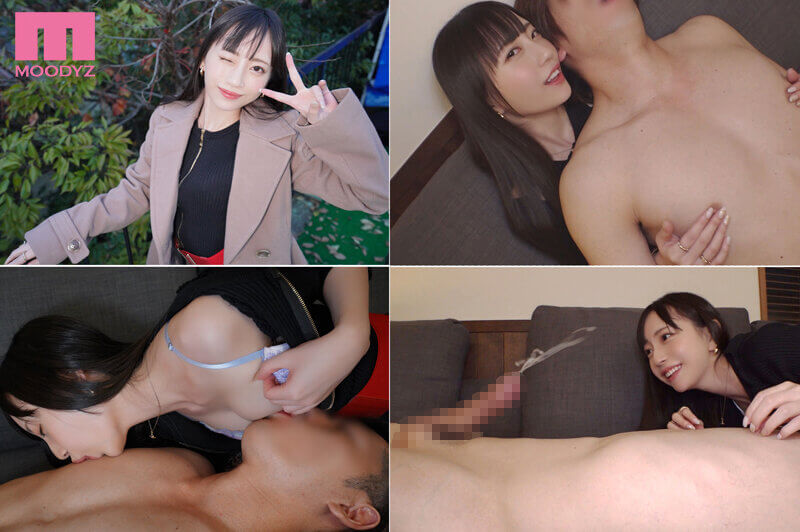
体が小さく、幼い顔つきなので、かわいそうな目に合う作品も魅力的だ
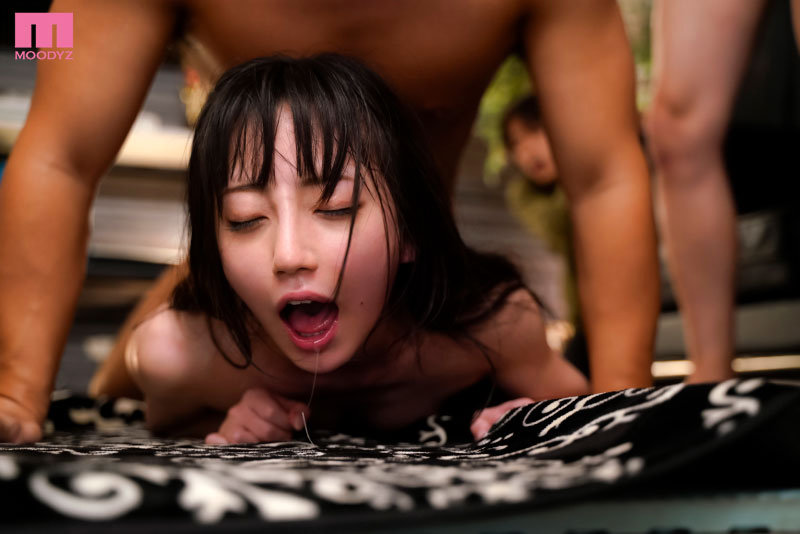




石川澪
2021年に衝撃的なデビューを果たした新世代のスーパースター石川澪
というより、すでにAV女優さんの中でTOP3に入るレベル
エスワンの項目で紹介した河北彩花に次ぐレベルの女優さんだと思う





石川澪初VR、2022年の作品だが、愛好家たちに衝撃を与えた伝説的作品だ

石川澪のVR2作目!

新ありな(橋本ありな)
2022年『橋本ありな』から『新ありな(あらたありな)』改名
それと同時にムーディーズへ電撃移籍
エスワンからSOD系のFALENO、そして、ムーディーズと大手から大手へ渡り歩いている
こういう移籍ができるのは本当にごく一部の女優さんだけだ
今のAVの現状を考えると、これが可能な女優さんは数人くらいなのではないだろうか




葵いぶき
2020年デビューの『葵いぶき』
デビュー当時からとても注目している自分が大好きな女優さん
この作品がめちゃくちゃ良かった


小野六花
顔面偏差値最強美少女りっかたん
正統派の美少女『小野六花』
顔も整っていて、雰囲気も上質
誰からも好かれる要素を備えている

小野六花の8KVR

非常に話題になった作品

八木奈々
この子も人気のあるかわいい女優さん




水卜さくら
真っ白なおっぱい―――
日本最高峰の胸を持つ水卜さくら
引退との噂もあったが、2022年以降、また作品がリリースされ始めた


石原希望
デビュー当時から群を抜いてかわいかった石原



三崎なな
2023年にデビューした三崎なな
その可愛さと潜在的な魅力には今後期待せずにはいられない




ムーディーズの2023年~2024年デビューの新人の中で個人的にチェックしてもらいたいのはこの女優さんたちだ!
月雲よる

武田もなみ

白都四季

三浜唯

七瀬みしろ
S級

百田光希
S級

一色さら

鈴音まゆ

ムーディーズのような大手のメーカーは今回紹介した女優さん以外にも幅広く女優さんが揃っている
こちらからチェックしてもらいたい
SODクリエイト
AV業界トップクラスのメーカー
女優、企画、映像共に最高峰
企画、演出に関してはそそる内容のものも多く、シチュエーション、企画力に関してはAVメーカーの中でも最強レベルだ!
2021年9月10日から、突然7月発売以降のSODの作品がFANZAから消えてしまう事件が起こった
そのFANZAからの撤退騒動の影響で、発売日等がおかしな作品もある
青空ひかり
2020年に鳴り物入りでデビューした青空ひかり
その清楚な雰囲気でとても話題になった
デビューから5年、今ではSODを引っ張る存在だ
素朴な人柄、容姿の女優さんなので、痴女でも、イチャラブ系でもどんな役柄でもイケる
オススメはこんな感じかな


宮島めい
VR作品が非常にオススメの女優さんだ
宮島めいの「夜行バス」と言えばAVの歴史に残る神作だ
そんな宮島めいがまた最高傑作クラスを生み出した!


小倉由菜
実力、容姿ともにレベルの高い女優さん
VR黎明期に雪山遭難というレジェンド作品を残している
この作品は非常に画期的で、衝撃的だった
他にも美容部員、地面特化、夜行バスなどの名作を残す
あれ?この子こんな感じだったっけ?

MINAMO
「100年に一度!」
と言われ2021年大ブレークしたMINAMO
ABEMAやテレ東など、AV以外のメディアでも活躍中で、目にした人も多いんじゃないだろうか?
デビュー当時から、容姿以上に、人柄や頭の良さ、話の内容など、人間的なレベルの高さが際立っていた

MINAMOがついにVRに!
ちょっとMINAMOに会ってくる

神木麗
SODの専属女優さんの中で、一番顔が綺麗なんじゃないかと思っている
神木以上に演技力や表現力の優れた女優さんはいるが、最近の神木麗の作品を見ると表現力も伴ってきている

小湊よつ葉
元ダンスユニットの「フェアリーズ」の小湊よつ葉
元アイドルのAV女優なんてゴロゴロいるが、小湊よつ葉はavex系のガチなグループだ
ガチ系のファンも多いグループで、非常に話題になった

柴崎はる
SOD社員ということでデビューした「柴崎はる」


2022年から2023年にかけてのオススメの新人さんはこんな感じだ
さすがにSODはクオリティが高い
ここらへんはチェック必須だ!
特に渚恋生は元宝塚ということで2023年もっとも話題になった新人女優さんだ




プレステージ
最も有名なメーカーの1つ
知ってる人も多いんじゃないだろうか
レンタル全盛期、最強美女軍団と言われた伝説的メーカー
現在でもGEOなんかにいくと無双状態だ!
2021年の3月からFANZAでの販売を停止している
現在はMGS動画で販売中だ
全盛期に比べると物足りない気がするが、『八掛うみ』『涼森れむ』あたりはAVの中でも最強クラスだ
おススメの女優さんと作品はこんな感じだ
八掛うみ
プレステージの中でも現在、一番人気があり、DVDの販売数はMGS動画ので1位だ
カラダはスレンダーで、顔もかわいい
はにかんだ笑顔が印象に残る
名前についてだが、「八掛」と書いて「やつがけ」と読むらしい
「はっかけ」などと呼ばないように
涼森れむ
顔もカラダも最強クラス
俺が一番美人だと思っている女優さんだ

河合あすな
2019年FANZAアダルトアワード最優秀新人女優賞
巨乳でロリフェイスという日本人男性が絶対好きな属性を備えている
明るい性格で視聴するとすごく元気をもらえる
鈴村あいり
粒楽あむ

2023年以降の新人女優さんに関してはこちらの2人が非常によかった
チェックしてみてくれ!
瀧本雫葉
蒼乃美月
プレステージについてまとめた記事もあるのでよかった参考にして欲しい

エスワン ナンバーワンスタイル
現在、綺麗な女優さんが最も多いメーカー
まさにナンバーワン!
今年もトップクラスの女優の作品がたくさんリリースされている
紹介しきれない綺麗な女優さんも多いが、とりあえずはここら辺の女優さんを押さえておきたい
三上悠亜
FANZA(DMM)のアダルトアワードで、2016年最優秀新人賞、翌年、2017年最優秀女優賞を受賞した生ける伝説だ
AVに詳しくない人でも知っているほどの女優さんだ
もしかしたら、AV女優さんの中でも一番有名かもしれない
そんな三上悠亜を紹介しないわけにはいかない
2023年、三上悠亜の引退が発表された
ひとつの時代が終わる


河北彩花
伝説的なAV女優の河北彩花
2018年新人としてデビューし、多くの男性を魅了し、突然消えた河北彩花
いつしか『伝説』『レジェンド』と言われるようになった
そして、復活・・・
今現在最も熱く、最も注目されているAV女優さん
そんな河北彩花を見逃すという選択肢はないはずだ
河北彩花のVR作品の中で最高峰と言われる8K

レビューでも最高点の99点を叩き出した!
このサイトの点数システムが崩壊させるつもりか!






架乃ゆら
見た目が清純系なのでイチャラブ系もイケるし、痴女作品も凌辱系もイケる
表現力なども高くVRでもかなりお世話になっている!!
トータルで考えてもSクラスの女優さんだ!!




2023年の最高傑作クラスだ!

miru(坂道みる)
セックスの天才『miru』


VRに関してはここ最近『これだ!』
という作品が出てないかも・・・
とおもっていたら、ついに8Kが!!


夢乃あいか
最近、熟れてきた感じがする
あ、甘えたいでござる・・・



葵つかさ
久しぶりに見たら、やっぱり綺麗だった
幼い顔立ちと同時に、大人の魅力が漂う
美容に気を使っている感じが非常に魅力的だ
昔からお世話になっているが、何歳くらいなんだろう?


葵つかさもVR作品に恵まれない女優のひとりだ
精査中
小島みなみ
みんなの「こじみな」
声に中毒性があり、定期的に見てしまう女優さんだ
こちらも幼さと大人の色気を両立させている女優さん




山手梨愛
その美しさ、スタイルの良さという点では女優さんの中でも群を抜いている

特にVR作品がオススメだ!
非常に綺麗
河北彩花と一緒でVRは全て買いだ!


本郷愛(二階堂夢)
二階堂夢が本郷愛へ改名
2023年エスワンへ移籍
今後の活躍が期待できる




うんぱい
インフルエンサーとして有名で、2022年一番話題になったと言っても過言ではない『うんぱい』
うんぱいさんは元有名インフルエンサーということで、どう見せれば綺麗に映るかわかってらっしゃる
AV女優向きなのかもしれない
VRで見ると、人形のようにかわいい
CGみたい!
一度見てみて欲しい

未歩なな


2023年以降の新人女優さんに関してはここらへんが非常によかった
チェックしてみてくれ!
望月つぼみ

清原みゆう
S級

結月りあ
S級

明日葉みつは
黒島玲衣

村上悠華
S級

仁藤さや香
S級

三田真鈴
S級

春野らら
S級

早坂ひめ

エスワンは上記で紹介した以外にも、綺麗な女優さんを抱えている
全て紹介していたら、キリがないので、省略させていただく
アイデアポケット
上記のメーカーにくらべ、少し地味な印象のアイディアポケットだが
女優も綺麗、映像も綺麗
エスワンやムーディーズに負けていない
いや、女優のクオリティではそれ以上かもしれない
特にここ数年のVR作品は神がかっていた
特に8Kはヤバすぎる!
映像が綺麗すぎて、毛穴が鮮明に見えるレベル
「お、女の人って近くで見るとこんななのか・・・(童)」
って思った
今年もエース級の作品が続々リリース
相沢みなみ
最高クラスのAV女優さん
これほどの美しい顔立ち
しかも、話す雰囲気までも気品がある
2023年引退を表明
最高峰の美女の最高峰のVR作品だ!



桃乃木かな
一線級で活躍し続けるレジェンドクラスの女優さん
もしかしたら、アイポケで一番知名度が高いかもしれない






桜空もも

うまく表現できないんだけど、独特の色香があって
それがすごく依存性があり、何度も見てしまう
桜空もものVR作品はハズレを探すのが大変なくらいレベルが高いが
ここにきて極まってきている
女優さんの中で一番8K映えしているのではないだろうか
その証拠に続々と作品がリリースされている
どれを選べばいいか迷ったら、好みの服装やシチュエーションで選んで大丈夫だ
それでも選びきれないなら、一番新しいのだ






西宮ゆめ
上記の桜空ももと同様に驚異的な中毒性
ギャル的な独特の雰囲気
痴女られてしまう小悪魔的な作品もいいが
華奢でレイプ映えもするため、無理矢理犯されてしまうような内容の作品もオススメだ


ここ数年はVR作品がキテた印象!



舞伎町はよく行くので、こういうのをやられてしまうと



加美杏奈
2023年引退を表明
デビューから見ていたので悲しい限りだ


古川ほのか
2022年デビューの古川ほのか
世代交代の時期かもしれない
新人ながら、その色気には大器の片鱗が・・・




実際に見てみた中で、アイデアポケットの2023年以降の新人女優さんのオススメはここらへんだ




アイデアポケットにはまだまだ綺麗な女優さんや埋もれた名作がある!!
FALENO
AVの中では異色な、インターネットでの配信中心のメーカー
最近ではAV業界のTOP女優をFALENOに移籍させ、女優の質はトップクラス
最強クラスの女優を擁していたが、橋本ありなや二階堂夢などの主力が移籍し、その勢いが弱まっているようにも感じる
ビデオ作品の内容は微妙なものも多かった
しかし、女優の無駄遣いかと思いきや、最近はシチュエーションにも力を入れてきて、当たりの作品も多い
天使もえ


吉高寧々

戸田真琴
SODからFALENOへ移籍した『戸田真琴』
実績のある女優さんなので、演技力に関してはFALENOでも格が違う気がする
男性を責め立てる作品も激ヤバだ!



ついにこの日が来てしまったか・・・


田中レモン


時田亜美







FALENOでチェックすべき新人さんはこんな感じだ!
茉城まみ

森あやみ

マドンナ
熟女系に強いマドンナ
映像、衣装、シナリオが秀逸で、乱れた女性を撮るのに関してはピカイチだ
レイプやNTRなども他のメーカーにはない色っぽさを演出している
もし気に入った女優がマドンナに出演していたら、視聴必須だ
今年もマドンナからたくさんの作品がリリースされたが
栗山莉緒
綺麗な女優さんだ
アイデアポケットからマドンナに電撃移籍
正直、マドンナのほうが映えるかもしれない
女性の色っぽさや艶っぽさの演出に関してはアイポケよりマドンナのほうが優れた作品も多い





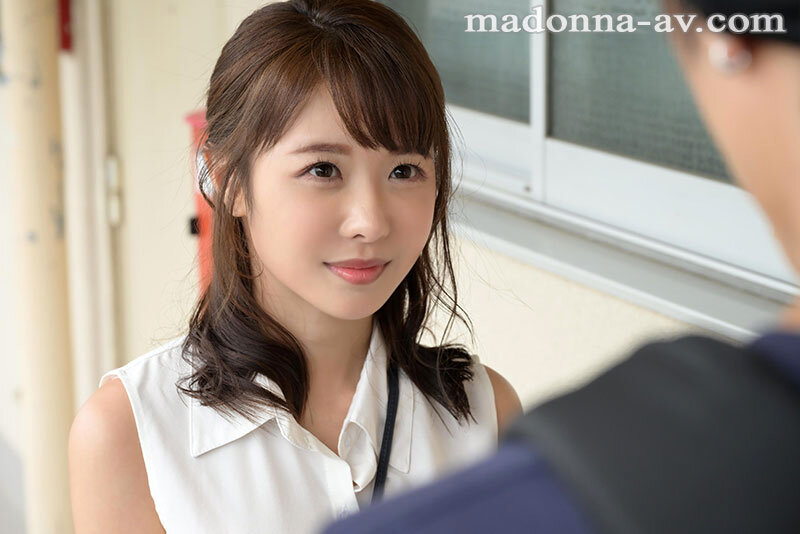



水戸かな
落ち着いた雰囲気、そして、気品があり、理想的な熟女
最近はNTR系の作品も多い
久しぶりのVR
しかも8K


木下凛々子
根強いファンに人気の熟女系の木下凛々子
濃厚だぜ


流川はる香


VR作品
めちゃくちゃ良かった




申し訳ないが、熟女系に関しては勉強不足でわからない女優さんも多い
実際に見て探して欲しい
本中
女優を綺麗に撮り、映像も綺麗
演出、シチュエーションも秀逸だ
レイプや輪姦などの作品は胸をえぐるようなものも多く、好んで視聴している
ただ最近はレイプ、凌辱系の作品が少なくて少し寂しい
VRに関してもクオリティが高く、個人的に多くの作品を購入している
こちらのメーカーも気に入った女優が出演していたら、購入して大丈夫だ
ほとんど専属女優さんがいなかった本中だが、2022年から2023年にかけて『東條なつ』『月乃ルナ』『藤森里穂』を専属移籍させた

プレミアム
とても上品なイメージ、綺麗で気品のある女優さんが多い
画質や撮り方なども非常に綺麗で、シチュエーションなどもツボをついてくる作品が数多く混じっている
楪カレン(ゆずりはかれん)、竹内有紀、山岸逢花など女優さんも主力級として活躍している
新人女優さんも非常に高レベルだが、現在プレミアムの専属女優で絶対的なエースは不在かもしれない


プレミアムには大人で上品な女優さんが他にもたくさんいる
kawaii
kawaiiも一時代を築いたメーカー
『伊藤舞雪』という絶対的な女王がいる
2022年デビューの『日向なつ』や有望な新人女優さんなどメインを張れる女優さんの活躍も目立つようになってきた
2023年は『西元めいさ』がkawaiiに移籍
西元めいさは話題性の高い女優さんなので、今後楽しみだ!
伊藤舞雪
知名度、実力ともに高く、日本のAVを代表する女優『伊藤舞雪』
特にVR作品で活躍し、VRの世界ではナンバーワン女優といっても良いのではないだろうか
伊藤舞雪と言えばVR
VRの女王とまで言われている女優さんだ!
伊藤舞雪のVRを見るのは国民の義務だ




もちろん2D作品だって激ヤバだ
女優としての格が違いすぎる!

日向なつ
犯罪レベルのロリフェイス!!



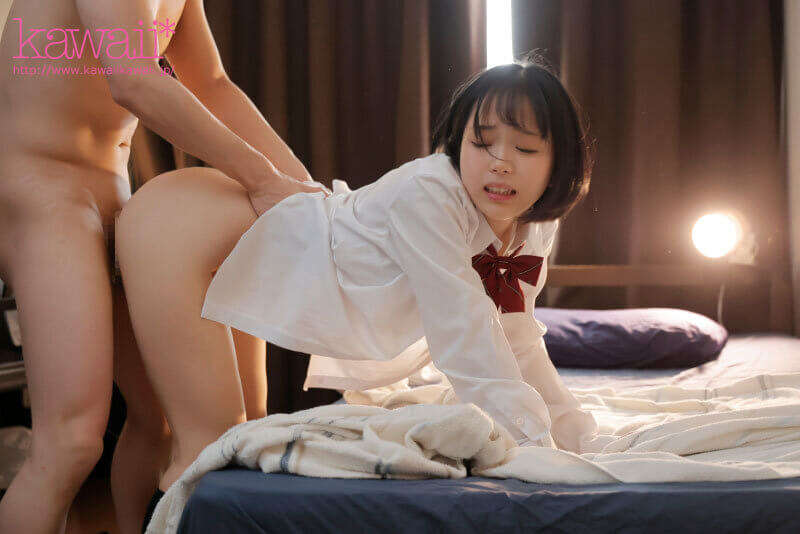

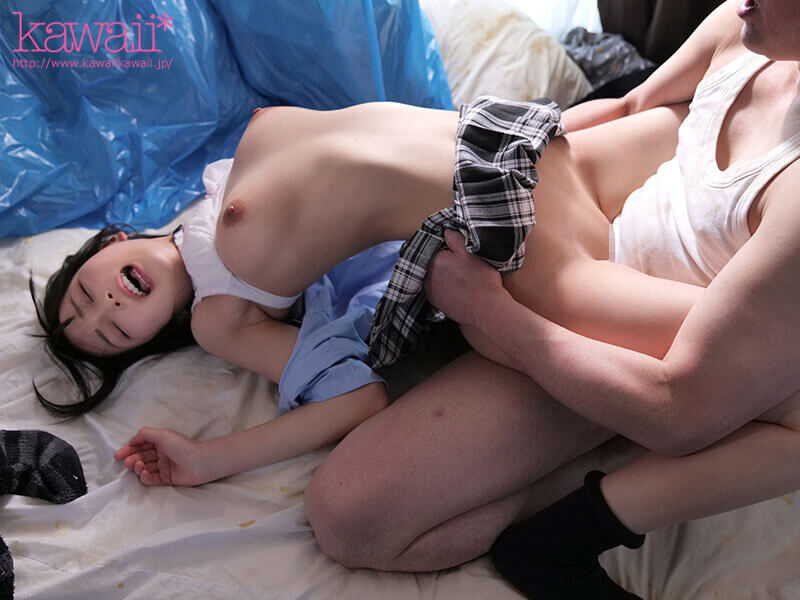
ほほう・・・


西元めいさ
移籍

七緒ひみか

知花しおん

松岡美桜
期待!

kawaiiもまだまだ女優さんを抱えている
kawaiiっぽい女優さんを在籍させているな、という印象
ぜひ探してみて欲しい
その他のメーカー・企画単体女優
続いてフリー契約の女優さんの紹介だ
企画単体女優、いわゆる、キカタンと言われる女優さんだ
「キカタンって何?」
っていうのが一般的な感覚だと思う
会話の中で「キカタン」という単語が出てきて
それが通用しちゃう人は・・・
まあ、うん・・・察してあげよう
同じ穴の狢なわけだし
同じメーカーより複数のメーカーに出演しているほうが、見る側としては楽しい
そういう女性が出演しているメーカーだと、本中、マドンナ、kawaii、アタッカーズなどが代表的だし、当たりの確率が高い
ムーディーズやアイポケなどもレベルの高い企画作品を配信している
そして楽しむべきは
その他、あまり大手ではないマニアックなメーカー、レーベル
このマニアックなメーカーがハズレだったり
性癖に突き刺さるとんでもない大当たりだったり
それではさっそく女優さんを紹介しよう
松本いちか

ロリ系の最強の女優さん!
中学生でも通用する奇跡の容姿
幼い少女とあんなことやこんなことをするというシチュエーションがリアルで可能になる
男性に対して、意地悪な表情をする作品も好みだし、松本いちかがかわいそうなめにあう作品も好んで見てしまう




最近の松本いちかのVRが名作ぞろいだ
絞り切れない!
容姿も演出力もキャラも飛びぬけてるうえ、唯一無二だ

松本いちかに関しては容姿もかわいいし、演技力などがずば抜けているため、好みのシチュエーションを選んで視聴して大丈夫だ
横宮七海

七瀬アリス
非常に綺麗な女性
容姿に関してはSクラス
それに加え、最近は大人な感じの雰囲気も出てきてすごくいい
VR作品はほとんどすべてオススメ出来る
キカタンの中でも別格だった七瀬アリス
2023年に『ダスッ!』『本中』『E-BODY』の専属女優さんとなった
もはや、専属とは・・・?


工藤ララ(伊藤はる)
はるちゃんで有名な伊藤はる
改名し、『工藤ララ』になった
幼い見た目で
合法ロリと言われている
リアルにロリすぎてヤバい
外国の人が見たら、大変な誤解をするんじゃないだろうか



最近の作品が狂気を孕んでる





月乃ルナ
自傷の跡があるので、視聴は注意だ
お腹のなどにも傷跡があり、苦手の人には強烈かもしれない
それでもこれだけの人気があるのだから
それほど魅力的な女性だということだ
レイプ系の作品も多い
ていうか、いつもレイプされているような気がする
演技力も高く痴女系の作品もイケてる!
作品によって当たり外れがある気がするが
ハマった時の威力はすさまじい
個人的には悲劇的な作品が芯を食う作品が多い
月乃ルナとアタッカーズの組み合わせは芸術的ともいえる
よく見かける内容だが、月乃ルナの演技力が凄まじく、心が痛くなるほどの神作品に仕上がってしまっている




東條なつ

AV女優さんでもトップクラスの美しさ
非常に綺麗な女優さんなのだが、扱いは少し地味だったりする
凌辱系女優の作品に出ることが多い
小柄で、華奢で、かわいくて、髪とかも綺麗で、こんな子をレイプするとかまるで犯罪みたいなものだ
いや、レイプは犯罪なんだけど・・・
2023年「ダス!」と「本中」
2つのメーカーの専属になった
特に本中の作品はクオリティが高いのでこれから楽しみだ



新井リマ

2022年以降、一番進化してと思う女優さんがこの『新井リマ』かもしれない
作品を見るたびに、「おお!マジか・・・」と感動していた
デビュー当時から、美しさというより、他の女優さんにはない独特の色気みたいなものがあった
その色気を核に、美しさが増し、そのうえで、演技力だったり、表情だったりが進化している
ギャル系のAV女優さんの中で一番好きかもしれない
てか、俺の理想のギャル像
童貞でM男の人にもオススメ!!





尾崎えりか

顔のかわいさに関しては突出している
オススメは何といってもVR作品だ
『尾崎えりかが美人でとても人気がある』
ということをメーカーや販売サイトもわかっているようでかなり力を入れて作ってくれていて、女優さんの美しさと作り手で相乗効果が生まれている



本田もも
FALENOの呪縛から離れ、VRやマニアックな作品にも出演するようになった
ぜひ注目して欲しい
期待しないでVRを見たら、めちゃくちゃ良かった
本田ももの白い肌がヤバい
VRだとなまめかしすぎる

顔の美しさに関しては突出したものがある


深田えいみ
誰しもが一度はお世話になったレジェンドクラスの女優さん
知らない人はいないのでは?



天音ゆい
引退おめでとう
今までありがとう!

天音ゆい史上最高のVR作品だった
藤田こずえ

とても可愛くて小動物のよう、ロリ系の幼い感じだし、量産型のAV女優さんにはない個性がある
個性的で使いやすい女優さんなのか
探すと意外な名作や傑作が見つかる
シチュエーションも面白いものが多く
ちょっと見てみようかな
なんて見たものが思わぬ傑作だったりする




森日向子
長身でスタイルがいいため、AV映えのする女優さん
演技力が高まってきてシチュエーション系も楽しく視聴できる
この作品を紹介させてくれ
シチュエーションが最高だった




天馬ゆい

この女優さんも演技力が高く、シチュエーションにも恵まれている印象
制作する側が使いやすいのかな

ロリがベースで、そこから悲劇的な作品も多く
逆にS女側にまわっても、高い攻撃力がある女優さん
すごい抜ける女優さん
というか、俺が個人的にすごい抜いた女優さん





斎藤あみり
陽キャのギャルの象徴のような女優さん



倉本すみれ
オススメ作品はこんな感じだ
すごく綺麗というわけではないが
変えが効かない女優さん
根強いファンのいる倉本すみれ
こういった女優さんが好きな人にはたまらないはず
シチュエーションもバラエティー豊か
お気に入りの作品に出会えるはず


二葉エマ

あまり有名じゃないけど、普通にかわいい子
ぜひチェックして見て欲しい
オススメはこんな感じ



村瀬玲奈(望実れい)

望実れいから『村瀬玲奈』へ改名
このかわいさならもっと評価されてもいい!
この作品すごくよかった!
小那海あや
VRの元祖女王「佐々波綾」
名前を変えて復活
million専属
クソッ!さすがの破壊力だった!!